
Record Wildfires Force Scotland to Rethink Fire Prevention
Garve and District Community Council
Added at 01:19 on 06 March 2026
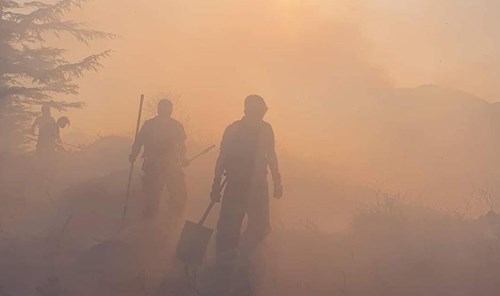
Scotland experienced one of the most severe wildfire seasons in its recent history during 2025.
The SFRS said that most large outdoor fires - approximately 68% - between 2010 and 2025 had been recorded as "accidental" with the rest considered "deliberate".
Last year, the majority of wildfires (129) burned for between one and six hours, while only 22 lasted more than one day.
A total of 241 wildfires were recorded across the country, including the largest wildfire ever documented in the UK at Carrbridge and Dava Moor, which burned close to 10,000 hectares of land. The scale of the season represented a notable increase in both the number of incidents and the intensity and consequences of wildfire activity.
Rising temperatures linked to climate change, together with longer dry periods, are creating conditions that allow wildfires to ignite more readily and spread more rapidly. These risks are particularly significant in Scotland’s peatlands, woodlands and remote rural environments.
Wildfires can have serious and far-reaching impacts. They pose clear dangers to public safety, place substantial pressure on emergency services, disrupt rural communities and local businesses, and can cause long-term ecological damage. In addition, large wildfires release significant volumes of stored carbon into the atmosphere, which undermines Scotland’s wider efforts to tackle climate change.
This Strategic Action Plan outlines a coordinated national approach aimed at reducing wildfire risk while strengthening preparation and response capabilities. The plan has been developed collaboratively with the Scottish Fire and Rescue Service (SFRS), drawing on input from His Majesty’s Fire Service Inspectorate and a broad range of stakeholders. It also reflects lessons learned from recent wildfire events, multi-agency debrief sessions, stakeholder engagement activities and parliamentary discussions.
The framework of the plan is built around three key pillars:
1. Prevention
Reducing the likelihood of wildfires occurring in the first place is the most effective way to safeguard people, natural habitats and property. Key measures include:
Increasing public awareness of wildfire risks and encouraging responsible behaviour and safe access to the outdoors;
Improving the reliability and effectiveness of wildfire risk assessments and early warning systems through enhanced data collection, scientific research and evidence;
Introducing fire prevention byelaws, including those scheduled to come into force in the Cairngorms National Park in April 2026, while enabling local authorities to consider similar powers in future;
Encouraging land management approaches — such as the creation of firebreaks and the controlled use of muirburn — to reduce fuel loads and limit the potential spread of wildfires; and
Supporting landholdings of all sizes to actively consider wildfire mitigation strategies.
Additional community engagement requirements introduced under the Land Reform (Scotland) Act 2025 will improve transparency around land management decisions, including adherence to the Scottish Outdoor Access Code.
2. Preparedness
Strong preparation is essential to ensure that wildfire incidents can be managed quickly, safely and effectively. Planned actions include:
Investment by the Scottish Fire and Rescue Service in dedicated wildfire response units, vehicles, specialist equipment and enhanced operational capabilities;
Expanding joint training programmes and exercises involving multiple agencies, including national table-top simulation exercises;
Improving the Community Asset Register and reviewing insurance arrangements for land managers and volunteers who may be involved in wildfire response;
Assessing helicopter access arrangements and identifying opportunities to strengthen aerial firefighting support during periods of heightened wildfire risk.
3. Response
A successful response to wildfire incidents relies on clear leadership, well-defined command structures and strong coordination between partner organisations. Planned actions include:
Developing a multi-agency ‘Concept of Operations’ (CONOPS) in advance of the 2026 wildfire season;
Strengthening both local and regional Incident Response Plans to better protect responders, communities and natural environments; and
Exploring the potential for a trained wildfire volunteer model similar to mountain rescue teams, with the possibility of an initial trial within the Cairngorms National Park.
The Action Plan also includes a summary of recommendations, observations, notable practices and sponsor comments arising from the Scottish Multi-Agency Resilience, Training and Exercising Unit (SMARTEU) debrief following the Dava Moor wildfires (see Annex A). The Scottish Fire and Rescue Service welcomes these findings and has accepted the recommendations. Work is already underway to implement the resulting actions through a comprehensive programme that has directly informed this Strategic Action Plan.
Overall, the Strategic Action Plan seeks to strengthen Scotland’s resilience to wildfires from 2026 onwards. It highlights the importance of partnership working, preventative policy, evidence-based decision-making and strong operational capability. The plan concludes that reducing wildfire risk is a shared responsibility, and that coordinated action across communities, organisations and land managers will be essential in supporting a safer and more climate-resilient Scotland.
View the Wildfire Strategic Action Plan
Photo Credit: George Eccleson - Fire Fighter
We are always really keen to hear your thoughts and concerns, you can reach us by email contact@gdcc.scot or phone 01997 414791 leave a message and we will call you back.