
Communities Asked to Plan for Resilience but Fuel Security Sits Beyond Local Control
Garve and District Community Council
Added at 09:22 on 29 January 2026
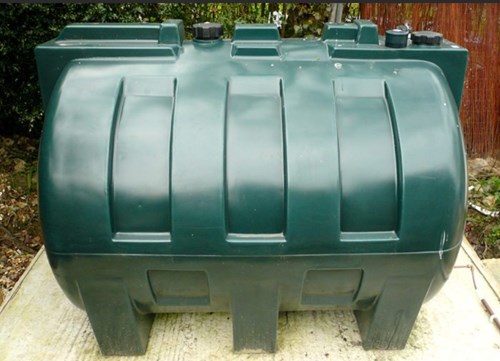
Communities across the Highlands are increasingly encouraged to develop community resilience plans. We are told to prepare for severe weather, infrastructure disruption, power cuts and emergencies. The expectation is that communities should be organised, informed and ready to respond in support of local residents.
That is a reasonable goal. However, one of the most critical winter risks facing rural households, heating fuel supply, sits almost entirely outside the scope of what communities can realistically influence.
Large parts of the Highlands depend on domestic heating oil. Many homes are not connected to the gas grid and have no practical alternative heat source during winter. For a significant number of households, kerosene is not one option among many but the primary means of heating the home and hot water.
Unlike food or basic supplies, heating oil cannot be easily stockpiled at community scale. It relies on national fuel supply chains, import terminals, distribution depots and road tanker delivery networks. These are elements of national infrastructure, not local systems. Yet disruption to these systems, whether due to weather, logistics pressures or wider supply constraints, has immediate consequences for rural households. Communities may be asked to check on vulnerable neighbours, but they cannot restore fuel deliveries.
Scotland’s fuel system has also undergone a major structural change. With the closure of the Grangemouth oil refinery, the country no longer refines crude oil domestically into fuels such as petrol, diesel and kerosene. Refining ceased following a commercial decision by the site operator, Petroineos. Scotland now relies on imported refined fuel products, which must move through coastal terminals, storage facilities and inland depots before reaching end users.
This results in longer and more complex supply chains with more transport stages and more potential points of disruption before fuel reaches remote areas. The exposure to risk has increased, but the planning responsibility remains at national level.
Delivering heating oil in the Highlands already involves long transport distances, single track roads, weather dependent access and limited flexibility during snow or ice. When the system is under strain, remote deliveries are often delayed first. That is a consequence of geography, not market preference, and geography cannot be addressed through a local resilience plan.
Highland communities also experience high levels of fuel poverty. Many homes are older, harder to insulate and more exposed to cold conditions. Residents may be older, on fixed incomes or living in isolated locations. When fuel deliveries are delayed or uncertain, households may reduce heating to unsafe levels. This moves the issue from inconvenience to a matter of health and welfare risk. Cold homes are linked to respiratory illness, cardiovascular strain and wider winter health impacts.
Recent snow related disruption has highlighted how quickly concern can arise among oil dependent households about running low on fuel. For urban households on the gas grid, disruption may be inconvenient. For oil heated homes, it can pose direct risks to safety and wellbeing. These are precisely the types of stress events resilience planning is intended to anticipate.
At the same time, wider energy policy is driving a transition away from fossil fuel heating. New homes are increasingly built with electric heating systems such as heat pumps. There is also tightening regulation of solid fuel appliances, with stricter emissions standards for new wood burning stoves. Existing stoves generally remain in use, but the overall policy direction is toward fewer combustion based heating options.
In the Highlands, electricity supply itself can be vulnerable. Winter storms regularly cause power cuts, sometimes lasting many hours or longer. When electricity fails, electric heating stops, heat pumps stop and homes can cool rapidly. Oil systems and wood burning stoves have traditionally provided a degree of backup resilience during outages. As heating options narrow and oil supply chains lengthen, households become more dependent on a single infrastructure system, the electricity grid.
A transition intended to reduce carbon emissions risks increasing exposure to disruption if replacement systems are not equally reliable in rural conditions. In remote communities, heating is not simply an environmental choice but a matter of safety during winter.
Community resilience planning is built around what communities can realistically do. This includes sharing information, supporting vulnerable residents, coordinating locally and responding to short term emergencies. It does not extend to securing national fuel supply chains, creating regional fuel reserves, managing import logistics or prioritising distribution routes. These are matters of energy security and national infrastructure planning.
Fuel security is not devolved, and responsibility for overall energy security sits with the UK Government. At the same time, rural communities are being encouraged to take greater responsibility for resilience outcomes. The result is a growing gap between responsibility and control. Communities face rising dependence on systems they do not manage, while being asked to plan for the consequences when those systems are disrupted.
It is therefore reasonable to ask what resilience planning exists at national level to protect oil dependent rural communities, given that these fuel supply risks sit beyond local control, and how this aligns with a Just Transition that is intended not to leave communities more vulnerable.
Until this is clearly addressed, there remains a mismatch between what rural communities are expected to prepare for and what they are actually able to influence. That is a matter of infrastructure resilience and rural equity, and it is a legitimate concern for community councils representing remote and rural Highland communities.